Staff access
Secure access for authorized staff and department teams.
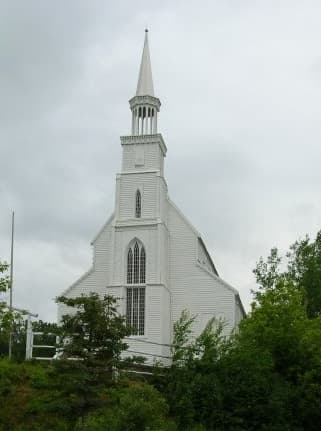
Stanley Mission #157
A historic Churchill River community with schools, health services, daycare, and headstart supports.
Location
81 km north of La Ronge
March 1, 2023
2,046 community members
Community Plan
The Community Development Plan establishes a vision for the future and prioritizes community projects and programs for implementation. The plan brings together community input, local history, goals, and actions for Stanley Mission.
The planning process moves community information and priorities from discussion into action. It includes gathering information, identifying strengths and issues, identifying priority areas, and implementing and monitoring the plan.
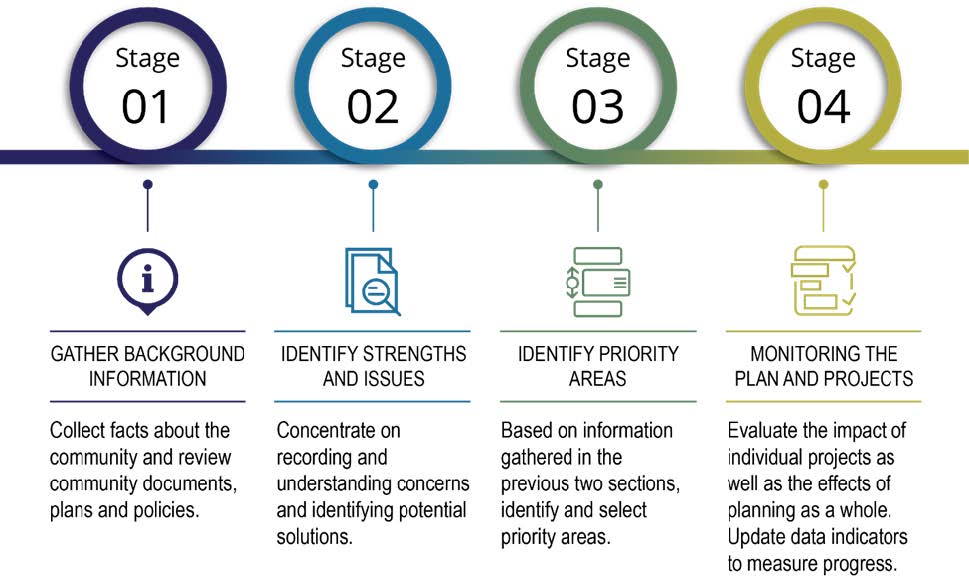
The community planning process is community based. The goals and measurement tools in the plan respond to concerns, suggestions, and feedback from community members, band staff, and Chief and Council.
Engagement included surveys, school and youth engagement, Treaty Day engagement, staff questionnaires, Elder interviews, and community meetings.
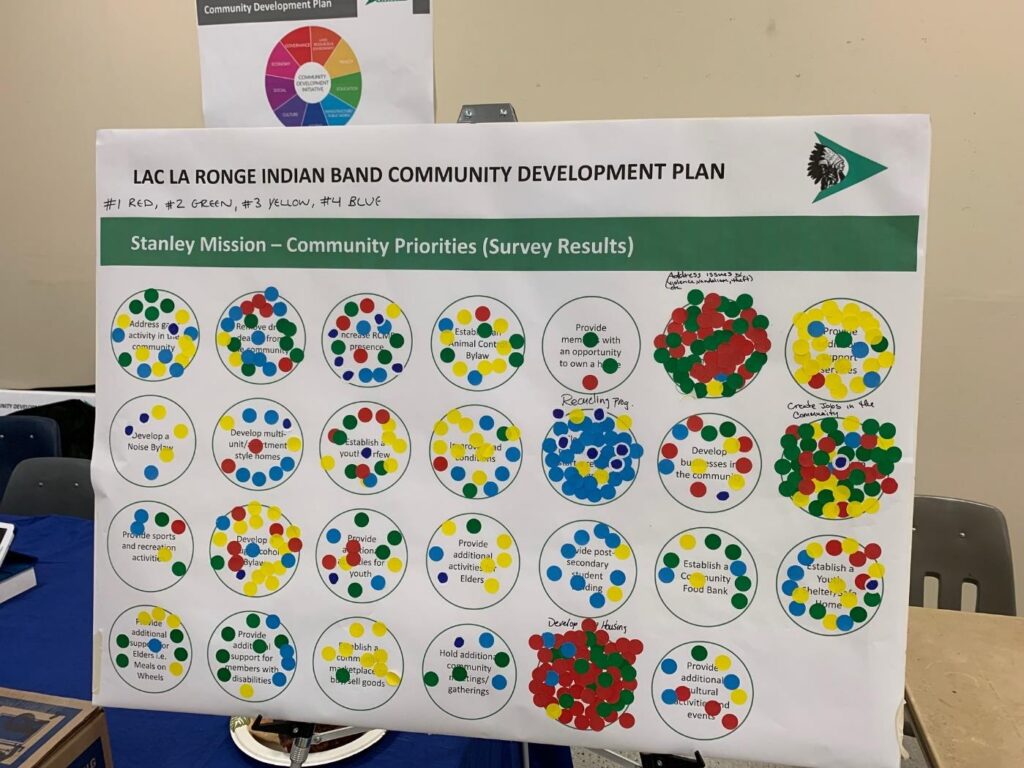
Stanley Mission's community profile brings together local history, demographics, earlier action areas, accomplishments where available, and strategic planning context.
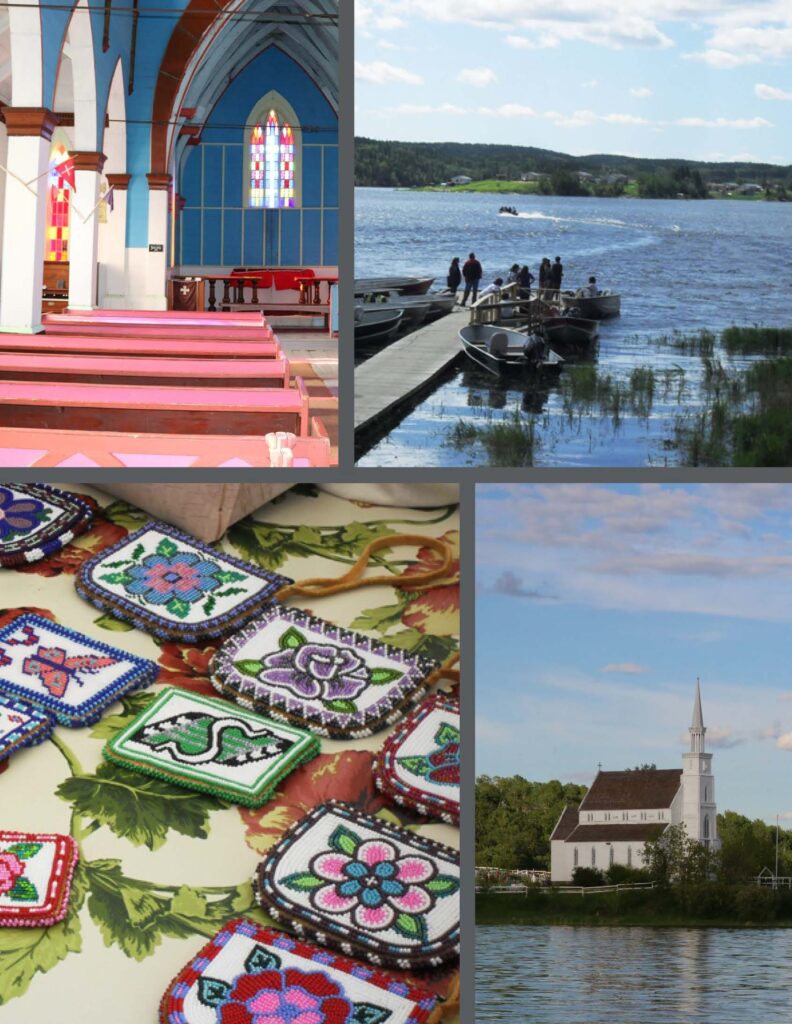
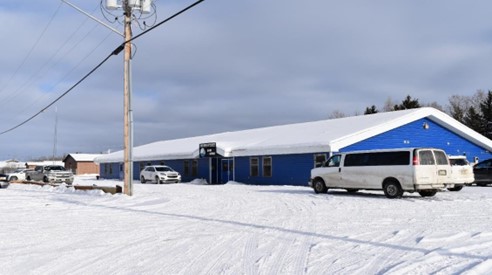
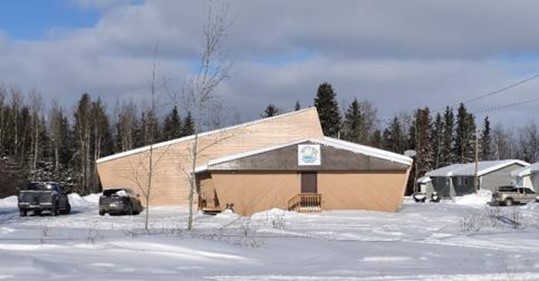
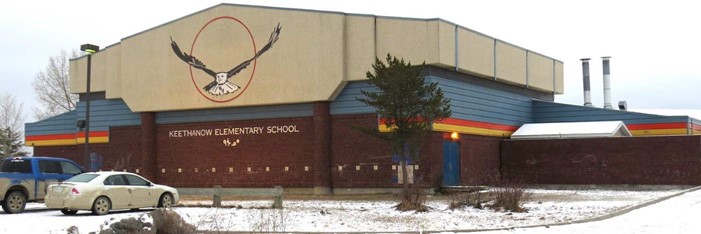
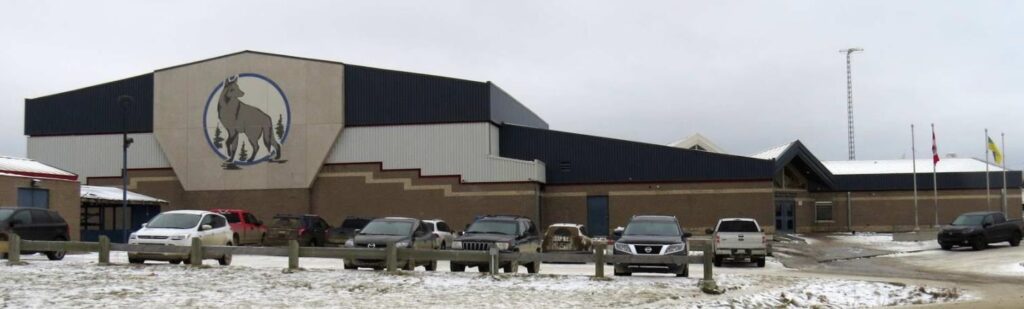
Stanley Mission is situated on the Churchill River system and is one of LLRIB's self-administered communities. The community is historic and has schools, health services, daycare, and Headstart supports.
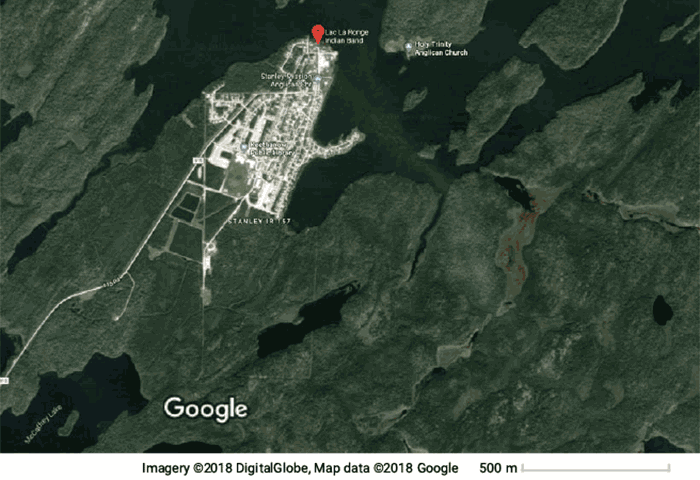
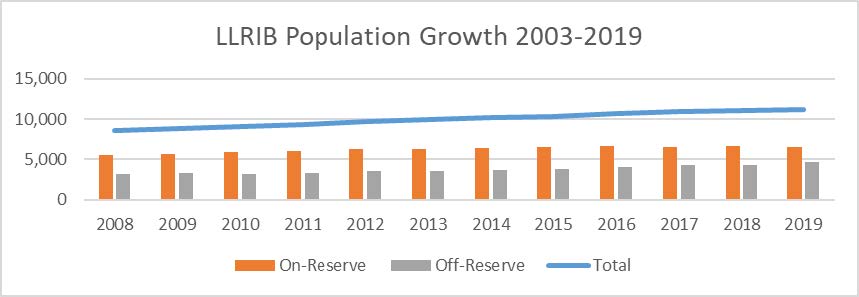
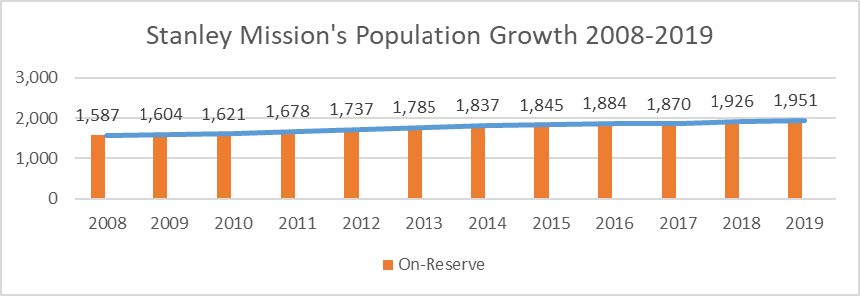
Demographic information is maintained through yearly population statistics and membership reports. These figures support planning decisions and help track community change over time.
Action Area 1: Capitalize on Our Assets to Stimulate Entrepreneurship.
Action Area 2: Open Communication, Governance, and Leadership.
Action Area 3: Re-Invent Housing.
Action Area 4: Promote Recreation and Wellness.
Action Area 5: Empower Youth.
Action Area 6: Build Connections.
The Stanley Mission plan records local accomplishments and community improvements identified through planning and engagement.
Community feedback collected through engagement helped create the guiding goals and actions in the plan. Priority areas are organized around culture and local community needs.

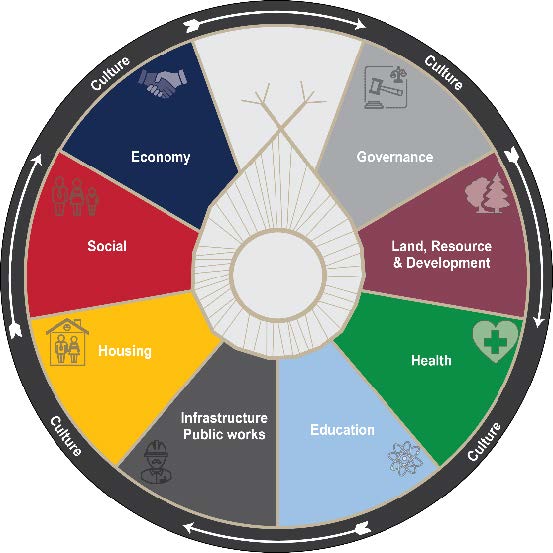
Governance goals include safety, communication, leadership involvement, bylaw development, and regular community participation.
Land, Resources and Environment goals focus on protecting water, land, culturally significant areas, traditional activities, and historic sites.
Health goals include access to programs and services, emergency response, mental health and addictions support, home care, community safety, recreation, nutrition, and physical activity.
Education goals include youth programs, adult training, access to school facilities, post-secondary support, land-based education, and more opportunities for local learning.
Infrastructure priorities include water, sewer, roads, lighting, communications, community facilities, transportation, waste management, and regular maintenance.
Housing goals focus on appropriate housing, home ownership communication, renovations, elders' housing, new homes, and reducing overcrowding.
Economic goals include employment, training, entrepreneurship, local services, and community-based opportunities that build on LLRIB assets.
The Community Development Plan is intended to be everyone's plan. Community members, champions, Chief and Council, and staff each have roles in implementation.
Community members contribute strategies, participate in activities, stay informed, and honour the work that has been done. Champions provide advice, coordination, encouragement, and mentorship. Chief and Council implement and report on the plan, while staff use plan objectives to guide work and proposals.
The plan is a living document. Monitoring documents activities and achievements. Evaluation occurs every five years or more often if needed. Updates follow evaluation so the plan continues to reflect community priorities.
The Implementation Table summarizes community priority areas, describes their relative importance, and identifies required resources. It should be used for grants and project funding so leadership, departments, and community organizations work toward the same goals.

Social
Social goals include supporting youth, life skills, family involvement, transportation, cultural connection, land-based learning, and Elder teachings.